 Essential oils
 Aroma lamps
 Aroma Diffusers
 Vegetables
 Herbs and spices
 Ornamental Plant Seeds
 Grass mixtures
 Sprouts and microgreens
 Exotic Fruit and Vegetables
 Exotic herbs
 Exotic trees and shrubs
 Ornamental exotic plants
 Espresso coffee
 Ecological coffee preparation
 Thermal mugs and coffee cups
 Aeropress
 Thermos flasks and thermal mugs for coffee and tea
 Moka pot
 Filter coffee
 Coffee blends
 Water filtration
 Coffee grinders
 Cleaning the Coffee Maker
 Ecological Cleaning of Coffee Machines
 Coffee makers
 Coffee Preparation
 Coffee Accessories
 For wildlife and pets
 Chocolate and others
 Hemp food products
 Hemp cosmetics
 Bongs - water pipes
 Blunts and tubes
 E-liquids with Terpenes and CBD
 Grinders and Mills
 Papers and filters
 Smoking accessories
 Vaporizers
 Air fresheners
 CBD sprays
 CBD and CBN crystals
 CBD body and facial care
 Weeds
 CBD suppositories and capsules
 CBD oils and drops
 CBG oils and drops
 Fashion and Decoration
 Kitchen essentials and cooking
 Christmas Decorations and Accessories
 Gift Sets
 Bird feeders
 Seasonal and Special Tools
- Sale -15 %

 Our products
 Aromatherapy - essential oils
 Seeds
 Growing supplies
 Cultivation and Gardening Supplies
 Hydroponics and indoor growing
 Protective equipment and gardening tools
 Exotic plants
 Roasted coffee
 Accessories for coffee makers
 Food products
 Natural cosmetics
 Smoking supplies
 CBD and CBG products
 House and garden


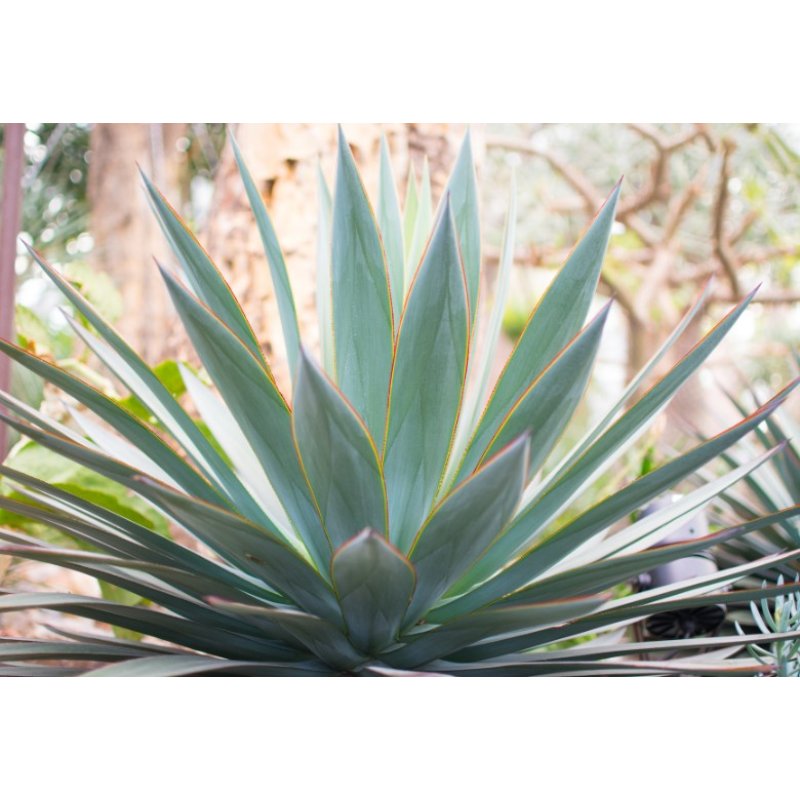
Agave Garcia mendoza is a beautiful succulent plant with long green leaves and delicate white stripes, named after the prominent Mexican botanist Efren Garcia Mendoza. Its unique appearance and traditional use of its fibres for craft products and alcoholic beverages make it a valuable botanical and cultural treasure.
 Wide range of quality products
Seeds, essential oils, growing supplies and exotic plants in one place
 Eco-friendly range
We prefer natural and gentle products
 Expert advice
We help you grow – guides, blog and personal support
 Delivery across the EU
PPL, DPD, GLS and local carriers – pickup point or home delivery
Agave Garcia Mendoza is a succulent plant that originates from Mexico. This particular species of agave is named after Mexican botanist Efren Garcia Mendoza. It has versatile uses. From its leaves, fiber is traditionally produced, which is used to make various products such as ropes, bags, and mats. Additionally, the agave plant is used to produce an alcoholic beverage known as mezcal. It blooms only after several years or even decades and typically dies after flowering, a phenomenon known as monocarpy.

Agave Garcia Mendoza is an impressive succulent plant with a distinctive appearance. The plant forms a medium-sized rosette of leaves that grow directly from the ground. These leaves are arranged in a rosette shape. The leaves are wide and long, typically measuring several tens of centimeters to meters, depending on the plant's age. The leaves of Agave Garcia Mendoza are colored in green. On the surface of these leaves, white stripes, spots, or patterns may be visible, giving the plant an interesting and decorative appearance. The leaf edges may have a characteristic lace-like appearance. They can be wavy or serrated, which adds to their structure and aesthetic appeal. The plant produces a flower stalk that grows from the center of the leaf rosette. Flowers develop at the top of the flower stalk. Agave flowers are typically large and have attractive colors, which can have shades of yellow, orange, or red.
After flowering, the plant typically dies, which is a phenomenon known as monocarpy. This means that the agave blooms after several years or even decades and then dies. Although this process means the definitive end for the particular plant, the agave typically produces an abundant harvest of seeds, from which new plants can grow.
Overall, Agave Garcia Mendoza has a unique appearance and is popular for its decorative look and traditional uses.
.png)
1. Substrate Preparation: for germinating Agave Garcia Mendoza seeds, it's best to use substrate designed for succulent plants. You can also prepare your own mixture of coarse sand and quality succulent substrate.
2. Seed Germination: fill small pots or containers with substrate and gently press it down so the surface is level. Spread the seeds on the substrate surface. Since agave seeds are relatively large, you can lightly press them into the substrate, but don't bury them too deep. Moisten the substrate using a spray bottle.
3. Germination Conditions: place the pots in a bright location with indirect sunlight. Keep the substrate moist, but don't overwater it. Seeds need moisture to germinate, but excessive moisture can lead to rot.
4. Care for Germinating Plants: once the seeds germinate and produce their first leaves, you can transplant them into individual pots. Continue to place the plants in a bright location, but still protect them from direct sunlight.
5. Gradual Growth: agaves are known for their slow growth, so be patient. Over several months to years, the plants will gradually increase in size.
6. Care for Adult Plants: once the plants reach a larger size, you can transplant them into final pots or into the garden. Agaves prefer a sunny and well-drained environment. Make sure the substrate is permeable and doesn't retain excessive moisture. Watering should be moderate and should only be done after the substrate has dried out.
Data sheet
Your review appreciation cannot be sent
Report comment
Report sent
Your report cannot be sent
Write your review
Review sent
Your review cannot be sent
Agave Garcia mendoza is a beautiful succulent plant with long green leaves and delicate white stripes, named after the prominent Mexican botanist Efren Garcia Mendoza. Its unique appearance and traditional use of its fibres for craft products and alcoholic beverages make it a valuable botanical and cultural treasure.
check_circle
check_circle