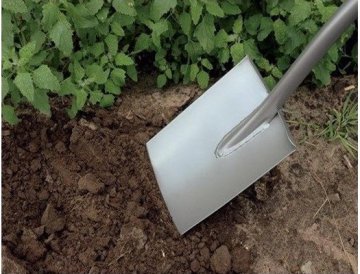
To Dig or Not to Dig?
November Has Arrived: To Dig or Not to Dig?
November has announced itself and poses us a question. Not Neruda's question, but rather one with a Hamlet-esque touch: To dig or not to dig? That is what it's all about!

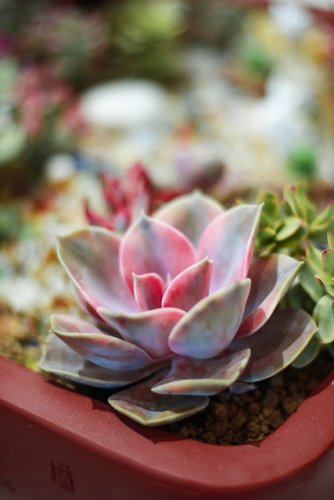
November has announced itself and poses us a question. Not Neruda's question, but rather one with a Hamlet-esque touch: To dig or not to dig? That is what it's all about!
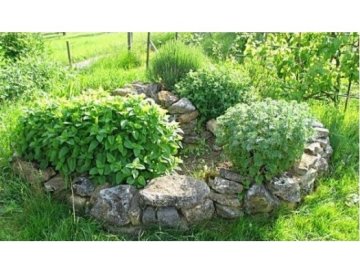
Advent is in full swing. A proper gardener is already pondering what to do next year. How about growing herbs on a raised mound or even in a spiral?
While winter settles in and the garden rests, it's the perfect time to plan next season's projects. An herb spiral is not just a practical solution for growing herbs - it's also an attractive garden feature that creates multiple microclimates in a small space.
An herb spiral is a three-dimensional raised bed built in a spiral shape, typically 1.5-2 meters in diameter and about 1 meter high at its center. This design creates different growing zones with varying conditions:
Use the quiet winter months to:
Start planning now, and when spring arrives, you'll be ready to create your own herb spiral - a beautiful and functional addition to any garden.
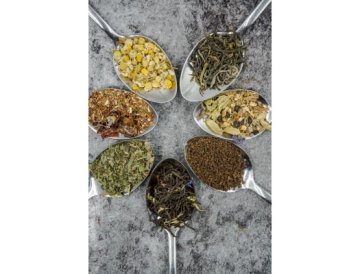
Herbal medicine has been helping people maintain and restore health for centuries. Modern science increasingly confirms what our ancestors knew intuitively - that plants contain powerful substances that can support the body's natural healing processes. The key to success is choosing the right remedy for your specific health problem.
## How to Choose the Right Herbal Preparation?When selecting herbal remedies, consider several factors:
Digestive problems are among the most common health complaints. Fortunately, nature offers many effective solutions:
In today's hectic times, many people struggle with stress and sleep disorders. These proven herbs can help:
A strong immune system is the foundation of health. These plants help strengthen the body's natural defenses:
For coughs, colds and other respiratory issues, try these herbs:
Medicinal plants can be used in various forms, each with its advantages:
The most traditional and gentlest form. Ideal for prevention and mild problems. Preparation is simple - pour hot water over the herb and let steep for 5-10 minutes.
Concentrated forms containing higher amounts of active substances. They work faster and are more effective for more serious problems. Usually taken in drops diluted in water.
Practical form for those who don't like the taste of herbs. They contain standardized amounts of active substances, making dosing easy.
Highly concentrated plant essences. Used for aromatherapy, massage or inhalation. Never use internally without expert consultation.
## Important Safety GuidelinesAlthough herbal remedies are natural, it's important to use them responsibly:
Herbal medicine is excellent for prevention and treating mild health problems. However, you should consult a doctor if:
Herbal remedies and preparations offer a gentle yet effective way to support health and treat common ailments. The key to success is choosing the right herb for your specific problem and using it correctly. Remember that natural treatment requires patience and a holistic approach to health. Combine herbal therapy with a healthy lifestyle, adequate rest and a balanced diet for best results.
Our e-shop offers a wide range of quality herbal products from proven manufacturers. All preparations are carefully selected with an emphasis on purity and effectiveness. If you're unsure which product to choose, don't hesitate to contact us - we'll be happy to advise you.
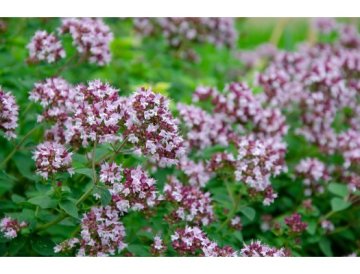
Oregano (Origanum vulgare) is one of the most popular culinary herbs that will enrich any garden or balcony. This unpretentious Mediterranean plant is known for its aromatic leaves full of essential oils, which are indispensable in the kitchen. Growing oregano is simple and doesn't require much effort – it thrives in a sunny location, prefers light substrate, and tolerates drought well. Whether you're an experienced gardener or a beginner, oregano will reward you with a rich harvest and pleasant scent.
Oregano is a perennial herb from the mint family (Lamiaceae) that originally comes from the Mediterranean region and Western Asia. It grows to a height of 30-60 cm and creates bushy growth with small oval leaves. In summer, it blooms with delicate pink to purple flowers that attract beneficial insects.
The plant is popular for its strong aroma and slightly bitter, spicy taste. Oregano contains essential oils, antioxidants, and other bioactive substances that not only enrich the taste of dishes but also have potential health benefits.
The key to successful oregano cultivation is light and well-draining substrate. Oregano naturally grows in rocky and sandy soils of the Mediterranean, so it's important to provide it with similar conditions.
Avoid heavy clay substrates that retain water – oregano doesn't tolerate waterlogging, which can lead to root rot. If planting directly in the garden, you can improve heavy soil by adding sand, compost, or perlite.
Oregano thrives best in a sunny location, but can also handle partial shade. The more sun it receives, the more intense will be the aroma of its leaves.
Oregano is also ideal for growing on a balcony or terrace, where you can place it in pots or planters. Just ensure adequate drainage and sufficient light.
One of the biggest advantages of oregano is its low water requirement. This plant is adapted to dry conditions and tolerates drought much better than excess moisture.
Young plants need slightly more water for establishment, but even then it's important not to overdo it. Mature oregano plants can survive short periods without water without harm.
Oregano can be grown from seeds, cuttings, or by dividing established clumps. Each method has its advantages.
Oregano is an unpretentious plant, but basic care throughout the year will ensure healthy growth and rich harvest.
Oregano has minimal nutrient requirements. Over-fertilization can even reduce the intensity of its aroma.
Regular pruning not only supports plant health, but also increases leaf production.
Fresh oregano can be used immediately in the kitchen, or you can dry it for later use. Hang shoots in an airy, shaded place until completely dry, then store the leaves in an airtight container.
Oregano is a robust plant, but sometimes problems can arise.
Oregano is an irreplaceable ingredient in Italian, Greek, and other Mediterranean cuisines. It's perfect for:
Beyond the kitchen, oregano is valued for its antimicrobial and antioxidant effects. It can be used in herbal teas or as an ingredient in natural cosmetics.
Growing oregano is ideal for anyone looking for an unpretentious herb that provides excellent results with minimal care. Light substrate, sunny location or partial shade, and minimal watering are the keys to success. Whether you grow oregano in the garden, on the balcony, or windowsill, this aromatic plant will reward you with a rich harvest of flavorful leaves throughout the entire season. Start growing oregano today and enjoy the fresh taste of the Mediterranean right at home!
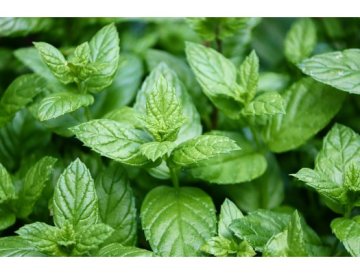
Mint is a popular aromatic herb that is easy to grow and requires minimal care. To achieve successful cultivation, it's important to know a few basic principles about its requirements.
Mint thrives best in humus-rich substrate with good drainage. The soil should be nutrient-rich and slightly acidic to neutral (pH 6.0-7.0). You can use universal potting soil enriched with compost or vermicompost. If you're growing mint in a container, ensure there are drainage holes in the bottom to prevent waterlogging.
Although mint can tolerate partial shade, it grows best in a sunny location where it receives at least 4-6 hours of direct sunlight daily. With sufficient light, the plant produces more essential oils, making it more aromatic. However, in extremely hot climates, light afternoon shade is beneficial to prevent the leaves from burning.
Mint requires moderate watering - the substrate should be consistently moist but not waterlogged. Water regularly, especially during hot and dry weather, but allow the top layer of soil to dry slightly between waterings. Overwatering can lead to root rot, while lack of water causes the leaves to wilt and lose their aroma.
With the right conditions - humus-rich substrate, sunny location, and moderate watering - your mint will thrive and provide you with fresh aromatic leaves throughout the season.
Choose from 100 tomato varieties. Find exactly what you want – for example by sowing month.
Everything you need for growing and gardening in one place. One shipping fee only. We even started roasting our own coffee.
Whenever needed, I’ll tell you what to do and when. Try my Growing School. You’ll never miss a harvest again.
No need to pay for shipping. Shop over €80 and I’ll cover it for you.
I agree to the processing of personal data.