Spring bulbs are the pride of every garden. They bring the first colors after the long winter months and fill outdoor spaces with life and freshness. Whether you're planning to beautify flower beds, balcony boxes, or containers on the terrace, spring flowering bulbs are the ideal choice. Discover how to choose, plant, and care for them so they delight you with their beauty year after year.
Why Choose Spring Bulbs
Spring bulbs are among the most popular ornamental plants thanks to their easy cultivation and spectacular blooms. They're suitable for both experienced gardeners and beginners. Their main advantage is minimal maintenance requirements and high resistance to colder weather conditions.
Spring bulbs typically bloom from February to May, depending on the specific species and variety. Early varieties like snowdrops and crocuses can appear as early as February, while tulips and daffodils bloom later in spring. This allows you to create a garden that continuously blooms throughout the season.
Main Advantages of Spring Bulbs
- Easy cultivation – they don't require special care
- Wide range of colors and shapes – from delicate pastels to vibrant shades
- Perennial growth – many species return year after year
- Versatile use – suitable for beds, pots, naturalized plantings
- Attractive to pollinators – support biodiversity in the garden
Popular Types of Spring Bulbs
The market offers dozens of species and hundreds of varieties of spring bulbs. Each has its specific characteristics, flowering time, and growing requirements. Here's an overview of the most popular types that shouldn't be missing from your garden.
Tulips
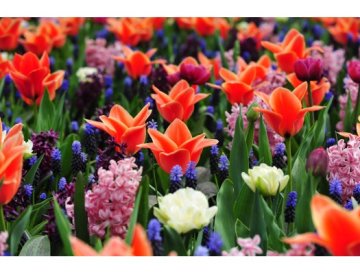
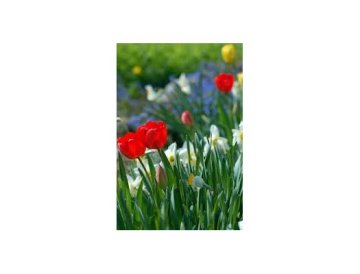
Tulips are among the most popular spring bulbs. They're available in countless colors, shapes, and sizes. From classic single varieties to exotic fringed or parrot tulips – the selection is nearly unlimited. Tulips bloom from March to May and prefer sunny locations with well-drained soil.
Daffodils
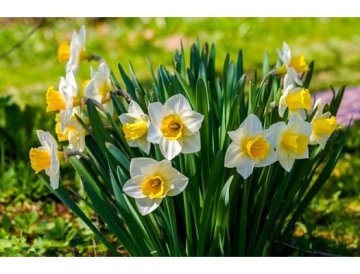
Daffodils (Narcissus) are symbols of spring and among the most reliable bulbous plants. They're resistant to adverse weather and often naturalize in gardens. They bloom from March to April and are available in shades of yellow, white, and orange. A significant advantage is their resistance to rodents, who avoid them due to toxic substances.
Hyacinths
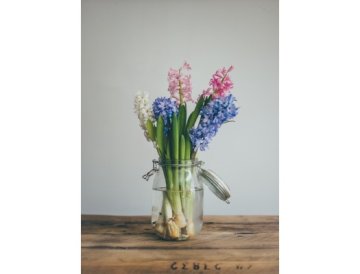
Hyacinths are known for their intense fragrance and dense flower spikes. They're ideal for spring containers and flower beds near terraces where their scent can be fully appreciated. They bloom in April and are available in colors including blue, pink, white, yellow, and purple.
Crocuses
Crocuses are among the earliest spring bulbs. Their small flowers often push through snow and are a welcome sign that spring is approaching. They're ideal for rock gardens, lawns, and naturalizing. They bloom from February to March and spread easily through self-seeding.
Snowdrops
Snowdrops (Galanthus) are the very first heralds of spring. Their white, drooping flowers appear as early as February and often push through snow cover. They're ideal for shaded areas under trees and shrubs where they gradually naturalize.
How to Plant Spring Bulbs
Proper planting is key to successful cultivation of spring bulbs. Although it's a simple process, there are several rules to follow for optimal growth and blooming of plants.
When to Plant
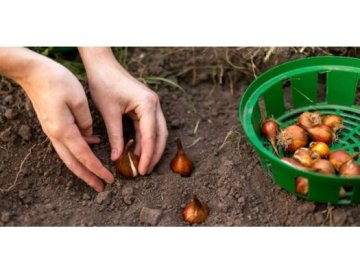
Spring flowering bulbs are planted in autumn, ideally from September to November, before the first frost. This gives bulbs time to develop a root system before winter. Planting too early can lead to premature sprouting, while planting too late may not give roots enough time to develop.
Site Selection
Most spring bulbs prefer sunny to partially shaded locations. The soil should be well-drained – waterlogging is the main enemy of bulbous plants and can lead to rot. If you have heavy clay soil, improve it by adding sand and compost.
Planting Depth and Spacing
The general rule is to plant bulbs at a depth equal to 2-3 times their height. Larger bulbs (tulips, daffodils) are planted 10-15 cm deep, smaller ones (crocuses, snowdrops) 5-8 cm deep. Spacing between bulbs should be approximately 5-10 cm, depending on the desired effect – for a dense carpet plant closer together.
Step-by-Step Planting Instructions
- Prepare the soil – remove weeds and loosen to appropriate depth
- If necessary, improve soil with compost and sand
- Dig holes or trenches to appropriate depth
- Place bulbs with pointed end up (root side down)
- Cover with soil and lightly firm
- Water thoroughly after planting
- Mark planting location to avoid damaging bulbs
Care for Spring Bulbs
Spring bulbs are among the least demanding plants, but proper care ensures their long life and abundant blooming.
Watering
After planting in autumn, bulbs need regular watering until the soil freezes. In spring during the growing and flowering period, water moderately – the soil should be moist but not waterlogged. After flowering, gradually reduce watering as leaves die back.
Fertilizing
Apply fertilizer in spring when first shoots appear. Use special fertilizer for bulbous plants or universal fertilizer with higher phosphorus content, which supports root development and flowering. Fertilize again after flowering to help bulbs accumulate nutrients for next year.
After Flowering Care
After spring bulbs finish flowering, don't immediately cut off leaves. They need time to photosynthesize and accumulate nutrients in the bulbs for next year. Let leaves die back naturally – only then carefully remove them. Remove faded flowers to prevent seed formation, which would unnecessarily exhaust the plant.
Overwintering and Bulb Storage
Most spring bulbs are frost-hardy and can overwinter in the ground. In harsh climates, mulch planting sites with leaves or straw. Some less hardy varieties (certain tulips) may be better dug up after leaves die, dried in a shaded, airy place, and stored in a cool, dry space until autumn planting.
Spring Bulbs in Containers
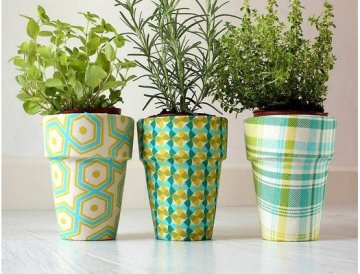
Growing spring bulbs in containers is an excellent solution for balconies, terraces, and patios. Containers offer flexibility in placement and easier protection from adverse weather.
Container Selection
Choose containers with drainage holes to prevent waterlogging. Depth should be at least 15-20 cm for larger bulbs, 10-15 cm for smaller ones. The material doesn't matter much – ceramic, plastic, or wooden containers are all suitable.
Substrate and Planting
Use quality potting mix with good drainage. Add perlite or sand for better permeability. You can plant bulbs denser in containers than in the ground – even touching each other creates a spectacular blooming effect. Plant in layers – larger bulbs deeper, smaller ones near the surface.
Care for Containers
Containers require more frequent watering than beds as they dry faster. In winter, protect containers from frost – either move to a sheltered spot or wrap with insulating material. In spring, regularly fertilize and remove faded flowers.
Combining Spring Bulbs
Creating attractive combinations is an art that can make your garden unique. When combining spring bulbs, consider flowering time, height, and color harmony.
Combinations by Color
- Monochromatic compositions – various shades of one color create elegant, calming effect
- Contrasting combinations – combining complementary colors (yellow-purple, orange-blue) creates dynamic, eye-catching compositions
- Pastel palettes – gentle shades of pink, lavender, and cream create romantic atmosphere
Combinations by Height
Create depth by layering plants of different heights. Plant lower plants (crocuses, snowdrops) in front, medium height (hyacinths) in middle, and tallest (tulips, daffodils) in back. This creates full, tiered effect.
Sequential Blooming
Plan plantings so your garden continuously blooms from early spring to late May. Start with snowdrops and crocuses, continue with early tulips and daffodils, and finish with late tulips and alliums.
Common Problems and Solutions
Although spring bulbs are hardy, they can occasionally face problems. Here's how to recognize and address the most common issues.
Bulb Rot
The most common problem caused by excessive moisture. Prevention includes proper soil drainage and avoiding overwatering. Affected bulbs must be removed to prevent disease spread.
Pests
Rodents (voles, mice) can damage bulbs, especially tulips. Protection includes using wire mesh, planting in baskets, or choosing resistant species like daffodils. Above-ground pests (aphids) are addressed with natural or chemical insecticides.
Lack of Blooming
If spring bulbs don't bloom, it may be due to insufficient cold period, too deep or shallow planting, or depleted soil. Ensure bulbs get at least 12-16 weeks of cold temperature (below 10°C) and regularly fertilize.
Premature Leaf Dieback
Premature dieback before nutrient accumulation weakens bulbs. Common causes are fungal diseases or excessive moisture. Improve drainage and avoid watering leaves and flowers.
Ecological and Sustainable Growing
Growing spring bulbs can be part of ecological and sustainable gardening. Here are tips for environmentally friendly cultivation.
Choosing Native Species
Prefer native or naturalized species that are better adapted to local conditions and support native pollinators. Many ornamental varieties are hybrids that offer less to natural ecosystems.
Natural Fertilizers and Protection
Use compost, manure, or other organic fertilizers instead of chemical products. For pest protection, try natural methods – companion planting, physical barriers, beneficial insects.
Water Conservation
Collect rainwater for watering and use mulch to retain soil moisture. Choose species adapted to your climate that don't require excessive watering.
Supporting Pollinators
Spring bulbs are among the first pollen and nectar sources for awakening bees and other pollinators. Choose species with accessible flowers and avoid heavily double varieties where pollinators can't reach pollen.
Inspiration for Your Garden
Spring bulbs offer endless possibilities for creating beautiful gardens. Here are some inspirational ideas:
Naturalized Lawn
Plant crocuses, snowdrops, and small daffodils in lawn for natural effect. They'll bloom before you need to mow for the first time and gradually spread. Ideal for larger gardens.
Formal Beds
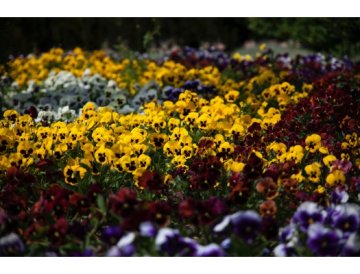
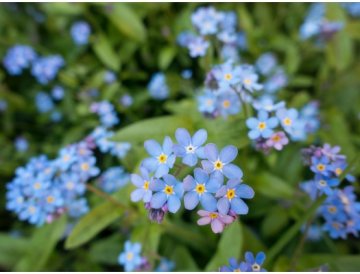
Create geometric patterns with tulips of different colors. This style suits formal gardens and parks. Combine with low perennials like forget-me-nots or pansies.
Cottage Garden
Mix spring bulbs with perennials and shrubs for relaxed, romantic effect. Let plants naturalize and spread freely. Combine daffodils with primroses, tulips with bleeding hearts.
Container Composition
Create spectacular arrangements in large containers combining multiple layers of bulbs. Add early annuals like pansies or primroses for extended blooming period.
Conclusion
Spring bulbs are an indispensable part of every garden. Their easy cultivation, spectacular blooming, and minimal maintenance make them ideal for any gardener. Whether you prefer classic tulips and daffodils or are looking for unusual species, there's wide selection in our e-shop. Start planning your spring garden now and enjoy colorful splendor from the first warm days.
Invest in quality bulbs and proper care, and your garden will reward you with beautiful blooming year after year. Spring bulbs aren't just ornamental plants – they're messengers of new life and hope that spring brings.