# March - Growing in the Garden and at Home: How to Care for Plants in Beds and Pots
March marks the real beginning of the gardening season. Days are getting longer, temperatures are rising, and nature is waking up from its winter sleep. It's the perfect time to start intensive work both in the garden and with indoor plants. Whether you're planning to grow vegetables, herbs, or ornamental plants, March offers countless opportunities to prepare for a successful season.
Garden Work in March
March is a crucial month for gardeners. While some plants can already be sown directly into beds, others need to be pre-grown indoors. The key is proper timing and understanding the needs of individual plant species.
Preparing Garden Beds
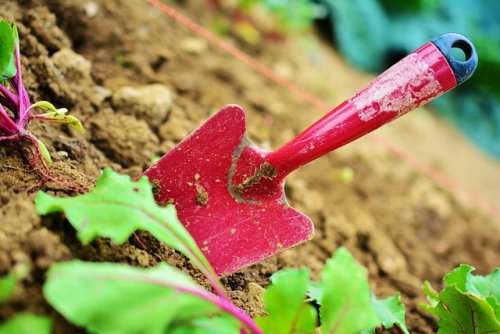
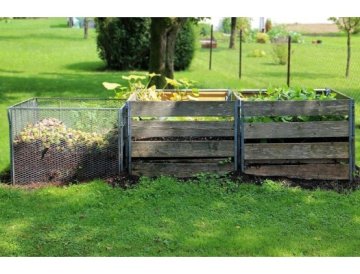
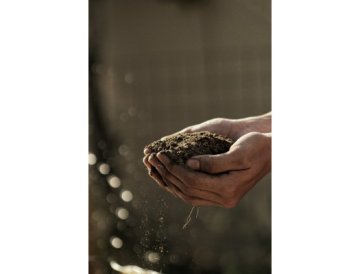
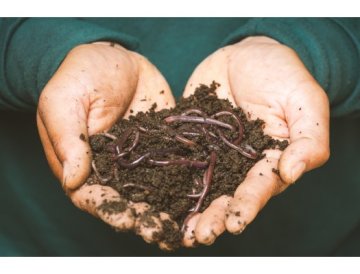
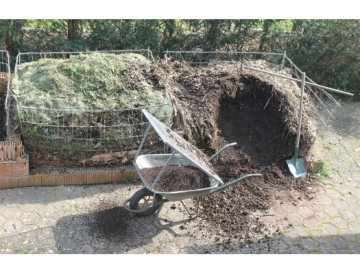
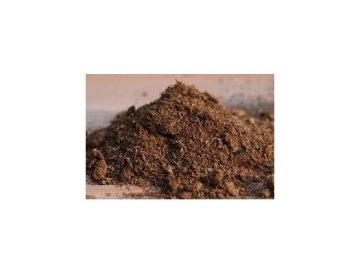
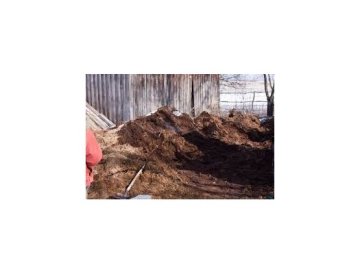
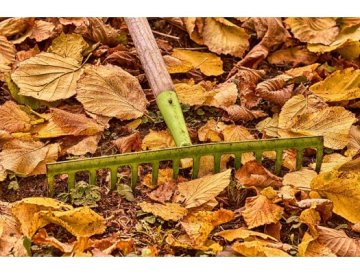
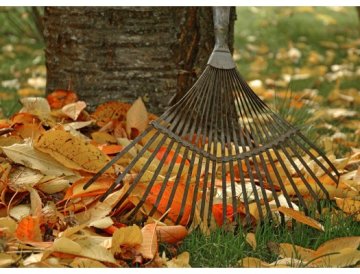
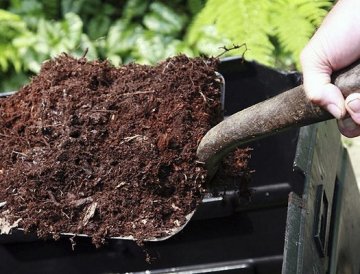
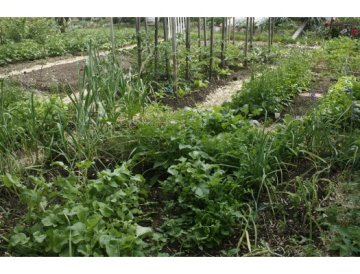
Before starting to sow or plant, it's essential to properly prepare the soil. During winter, the soil has compacted and needs to be loosened. Start by removing weeds and plant residues left from the previous season. Then, lightly dig or loosen the soil to a depth of about 20-30 cm. This is the ideal time to add compost or well-decomposed manure, which will enrich the soil with nutrients and improve its structure.
If you didn't test the soil pH in autumn, do it now. Most vegetables prefer slightly acidic to neutral soil with a pH between 6.0 and 7.0. If the soil is too acidic, add lime; if it's too alkaline, incorporate peat or sulfur.
Direct Sowing into Beds
In March, you can start sowing hardy vegetables that tolerate lower temperatures. These include:
- Peas - can be sown as early as the beginning of March, prefer well-drained soil and sunny locations
- Broad beans - hardy and can handle light frosts, ideal for early spring sowing
- Spinach - fast-growing leafy vegetable, can be harvested within 4-6 weeks
- Radishes - one of the fastest-growing vegetables, ready for harvest in 3-4 weeks
- Carrots - early varieties can be sown from mid-March
- Parsley - hardy herb suitable for early sowing
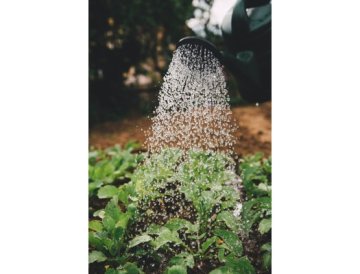
When sowing directly into beds, follow the recommended sowing depth and spacing between plants. Seeds need good contact with the soil, so lightly press them down after sowing and water gently.
Pre-growing Seedlings
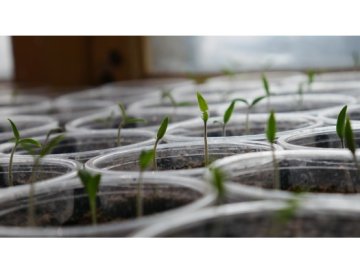
For heat-loving plants that need a longer growing period, March is the ideal time for indoor pre-growing. This includes:
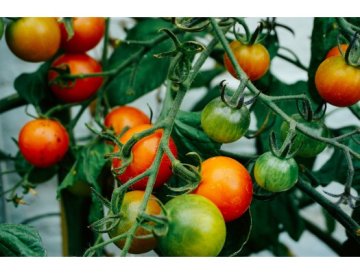
- Tomatoes - sow indoors 6-8 weeks before the last expected frost
- Peppers and chili peppers - need even more time, ideally start at the beginning of March
- Eggplants - also require a long growing period and warmth
- Cucumbers - can be pre-grown indoors and later transplanted to beds or greenhouse
- Herbs - basil, oregano, thyme, and other Mediterranean herbs
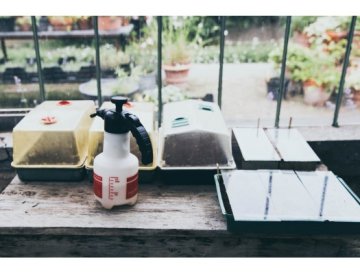
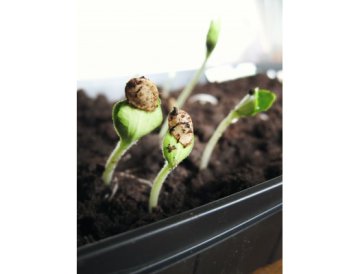
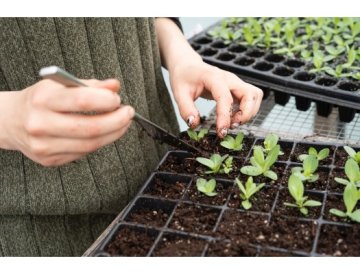
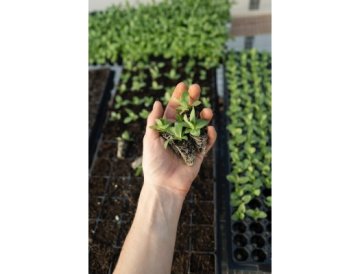
For pre-growing, use quality seed compost that is light, airy, and contains sufficient nutrients. Place seeds in trays or small pots, cover lightly with soil, and keep at an optimal temperature (usually 18-22°C). Most seeds need consistent moisture for germination, but be careful not to overwater.
Indoor Plant Care in March
March is also important for houseplants. After winter rest, they begin to grow actively and need more attention.
Watering and Fertilizing
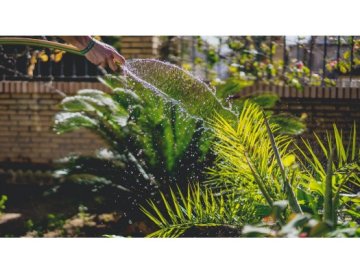
With increasing light and higher temperatures, plants start using more water and nutrients. Gradually increase watering frequency, but always check soil moisture before watering. The soil should be slightly moist, but not waterlogged.
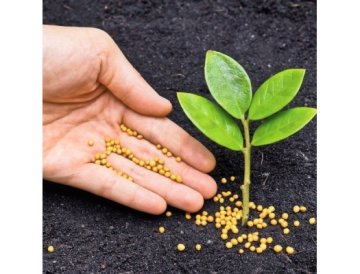
March is the ideal time to start regular fertilizing. Use balanced liquid fertilizer that you apply every 2-3 weeks. For flowering plants, choose fertilizer with higher phosphorus content, which supports flower formation.
Repotting
If your plants have outgrown their pots or the soil is depleted, March is the perfect time for repotting. Signs that a plant needs repotting include roots growing out of drainage holes, slowed growth, or the need for very frequent watering.
Choose a pot that is 2-3 cm larger in diameter than the original one. Use quality potting soil suitable for the specific plant type. When repotting, carefully remove the plant from the old pot, gently loosen the roots, and place in the new pot. Fill with fresh soil and water thoroughly.
Pruning and Shaping
March is also suitable for pruning houseplants. Remove dead, damaged, or diseased parts. You can also prune overgrown shoots to promote better branching and denser growth. Use sharp, clean tools to minimize the risk of infection.
Growing Herbs at Home
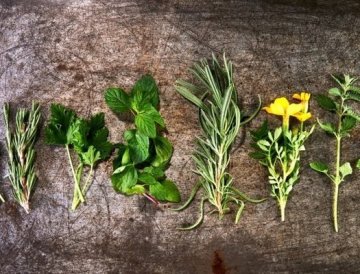
March is the ideal time to start growing fresh herbs at home. Whether on a windowsill, balcony, or in a small indoor greenhouse, herbs are easy to grow and provide fresh ingredients for cooking year-round.
Popular Herbs for Home Growing
- Basil - heat-loving herb, needs plenty of light and regular watering
- Parsley - hardy and easy to grow, can be grown both indoors and outdoors
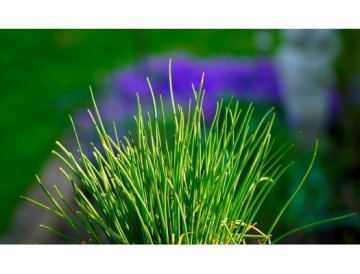
- Chives - perennial herb that is virtually maintenance-free
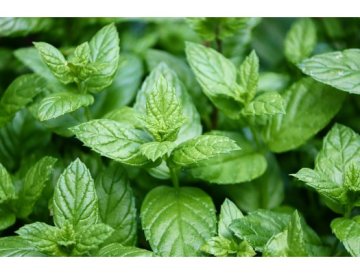
- Mint - fast-growing, ideal for teas and desserts
- Thyme - drought-tolerant Mediterranean herb
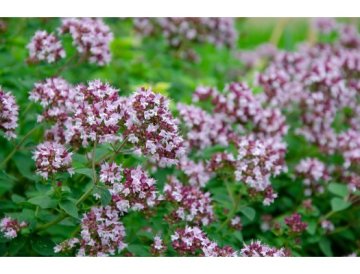
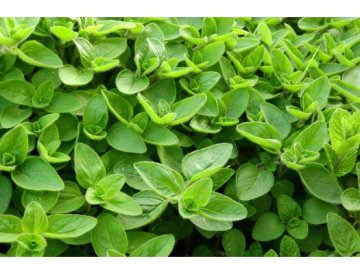
- Oregano - another Mediterranean herb suitable for sunny spots
Tips for Successful Herb Growing
Herbs need plenty of light - ideally 6-8 hours of direct sunlight daily. If you don't have enough natural light, use grow lights. Most herbs prefer slightly drier soil, so water only when the top layer of soil dries out. Use well-draining soil to prevent root rot.
Regularly harvest herbs to promote new growth. Prune stems above leaf nodes, which will encourage bushier growth. Herbs can also be fertilized, but use diluted fertilizer to avoid over-fertilization.
Greenhouse in March
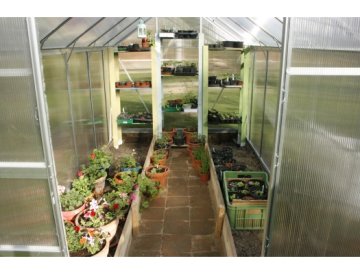
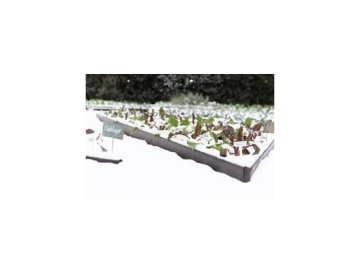
If you have a greenhouse, March is the time for intensive use. In a greenhouse, you can start growing much earlier than in open beds, extending the growing season.
Preparing the Greenhouse
Before starting to grow in a greenhouse, thoroughly clean it. Remove plant residues from last season, wash glass or plastic panels, and disinfect surfaces to prevent disease spread. Check that ventilation and shading systems are functioning properly.
What to Grow in a Greenhouse
In March, you can start growing:
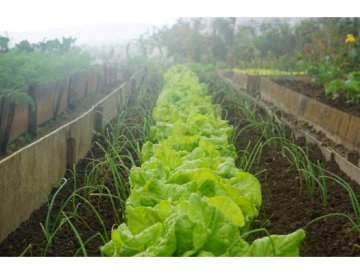
- Lettuce and other leafy vegetables - fast-growing and tolerant of lower temperatures
- Radishes - ready for harvest in just a few weeks
- Spring onions - easy to grow and quick harvest
- Herbs - thrive in greenhouse conditions
- Seedlings - greenhouse is ideal for pre-growing tomatoes, peppers, and other heat-loving plants
Temperature and Humidity Control
In March, temperatures can fluctuate significantly, so regularly monitor conditions in the greenhouse. During sunny days, the greenhouse can overheat, so ensure adequate ventilation. At night, temperatures can drop, so consider using heating or insulation material to protect young plants.
Humidity is another important factor. Too high humidity can lead to fungal diseases, while too low can cause plants to dry out. Ideal humidity for most plants is between 50-70%. You can control humidity through ventilation and careful watering.
Pest and Disease Protection
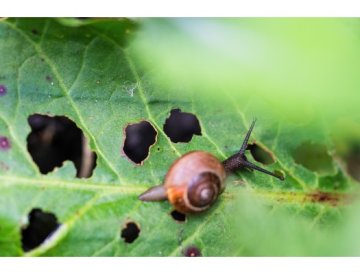
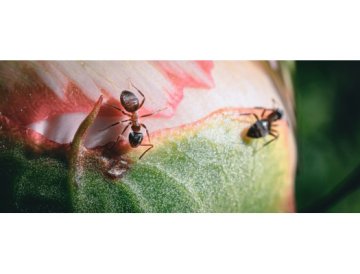
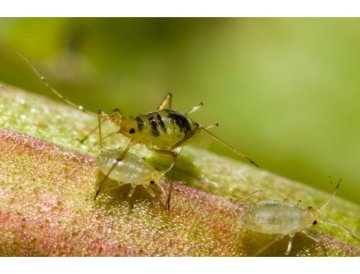
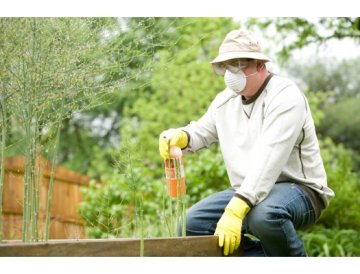
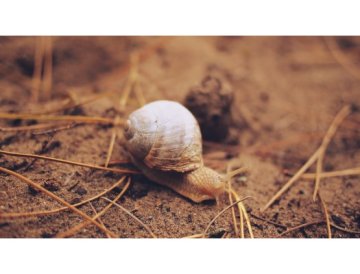
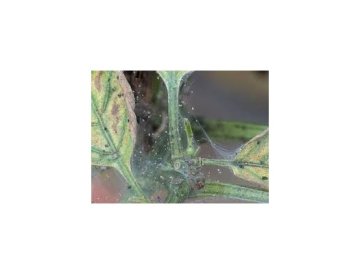
With the arrival of spring, not only plants but also pests wake up. March is the right time to start preventive measures.
Prevention
The best defense against pests and diseases is healthy, strong plants. Ensure proper care, adequate nutrition, and suitable growing conditions. Regularly check plants for signs of pests or diseases and respond immediately to any problems.
Crop rotation is another important preventive measure. Don't grow the same plants in the same place every year, as this can lead to pest and disease buildup in the soil.
Natural Pest Control Methods
If you encounter pests, first try natural control methods:
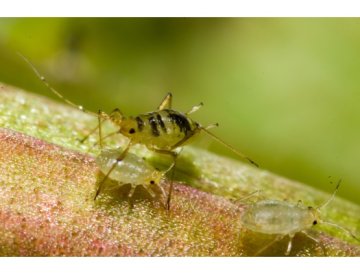
- Beneficial insects - ladybugs, lacewings, and other beneficial insects naturally control aphids and other pests
- Plant extracts - neem oil, garlic, or nettle extracts can repel pests
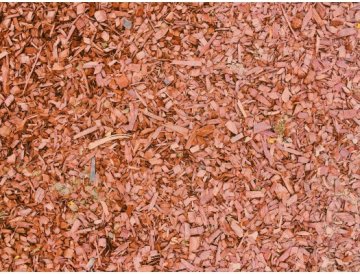
- Physical barriers - nets, covers, or mulch can prevent pests from accessing plants
- Manual removal - for smaller infestations, simply remove pests by hand
Planning and Record Keeping
March is also the perfect time to plan the entire growing season. Write down what you want to grow, when to sow, and when to expect harvest. Keep a gardening journal where you record successes and failures - this will be invaluable information for next year.
Planning should include crop rotation, companion planting (which plants grow well together), and succession planting (sowing in stages for continuous harvest). Also consider space - don't overplant beds, as plants need enough room for healthy growth.
Conclusion
March is a month full of opportunities for all gardening enthusiasts. Whether you grow in the garden, greenhouse, or on a windowsill, this period brings many tasks and joys. With proper preparation, care, and attention to plant needs, you can look forward to a successful season full of fresh vegetables, herbs, and beautiful flowers.
Remember that gardening is a continuous learning process. Don't be discouraged by initial failures - every season brings new experiences and knowledge. The most important thing is enthusiasm, patience, and love for plants. Good luck with your spring growing!