Sowing in June?
What Can Still Be Sown in June?
Although June is just around the corner, there are still vegetable species and varieties that you can sow in unfilled beds. You might even be surprised by their wide selection.

Although June is just around the corner, there are still vegetable species and varieties that you can sow in unfilled beds. You might even be surprised by their wide selection.
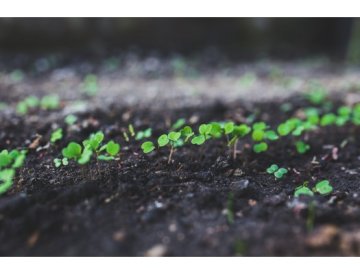
Arugula, also known as rocket, is an undemanding leafy green vegetable that you'll love not only for its spicy flavor, but also for its high content of vitamin C and beta-carotene. It supports body detoxification and improves digestion. You can easily grow it even on a balcony if you follow a few simple principles. Read on to learn how to do it step by step.
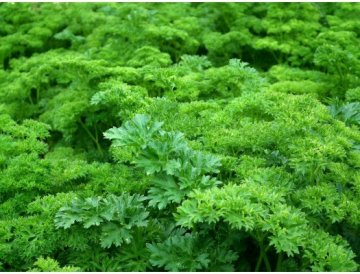
Herbs in pots need thorough watering at least once a day. Especially with small pots during hot summer days, watering is necessary even twice a day.

Garden soil is the foundation of successful cultivation. Its composition affects not only plant growth, but also the amount of water and nutrients available to plants. There are several types of soil that differ in their composition and the requirements for improvement. In this article, we'll show you how to easily determine the type of soil in your garden and how to improve it for the best possible harvest.
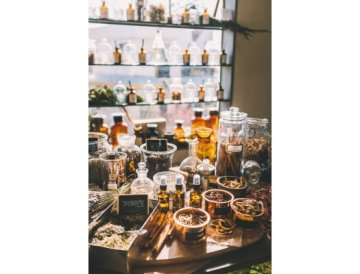
Herbs and medicinal plants have found their application in treating many ailments, even alongside highly technologized and conservative medicine. The use of medicinal plants encourages the human body to mobilize its own natural defense mechanisms, enabling it to fight off illness on its own.
Medicinal herbs have been used for centuries as a natural way to support health and wellness. Their therapeutic properties stem from the active compounds found in various parts of the plants - leaves, flowers, roots, seeds, and bark. Understanding how to properly harvest, dry, and store herbs is essential to preserve their healing qualities and maximize their effectiveness.
The potency of medicinal herbs depends greatly on when and how they are harvested. Different plant parts should be collected at specific times to ensure optimal concentration of active ingredients. Proper drying techniques help maintain the herbs' beneficial properties while preventing mold and degradation.
Herbs can be processed into various forms depending on their intended use:
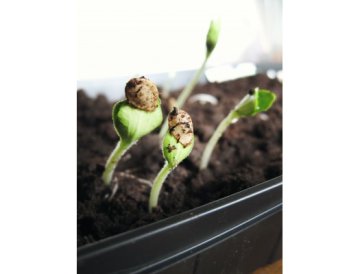
Even from the frosty January period, we can start with various sowing or preparation of vegetable, flower or other gardens. The sooner we start, the sooner the garden will reward us with its harvest.
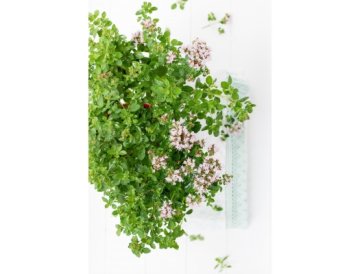
Marjoram is an annual herb used both as a spice and medicinal plant. In this article, you'll learn about its cultivation, uses, and healing properties.
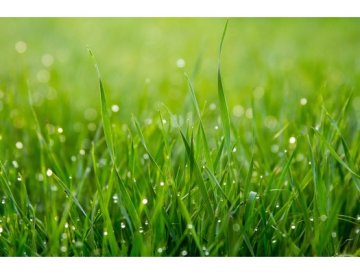
Every lawn has its own needs. Some grasses thrive in sun, others in shade, and yet others tolerate heavy use. That's why there are various types of grass seed mixtures to choose from.
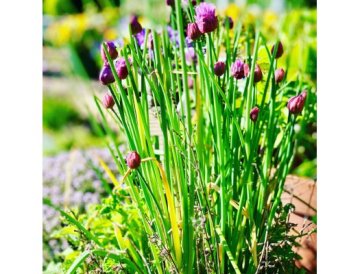
Chives are an herb that is a bulbous plant belonging to the garlic genus.
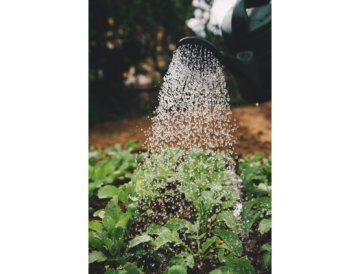
Organic seeds are not chemically treated and come from controlled organic farming. They are ideal for growing healthy vegetables, herbs and flowers without synthetic pesticides and fertilizers. Organic seeds guarantee natural germination and strong plants that are more resistant to diseases and pests.
Organic seeds come from plants grown according to strict organic farming standards. During cultivation, no synthetic chemical preparations, artificial fertilizers or genetically modified organisms are used. The seeds are not chemically treated, which means they retain their natural properties and vitality.
Growing from organic seeds is the same as conventional growing, but with emphasis on natural methods. Use quality organic substrate, natural fertilizers and ecological pest control methods. Organic seeds respond well to composting, mulching and companion planting.
Organic seeds are ideal for anyone who wants to grow naturally and ecologically. They are perfect for home gardeners, allotment holders and organic farmers. They are also suitable for growing in balcony boxes and urban gardens where you want a clean harvest without chemicals.
Choose from 100 tomato varieties. Find exactly what you want – for example by sowing month.
Everything you need for growing and gardening in one place. One shipping fee only. We even started roasting our own coffee.
Whenever needed, I’ll tell you what to do and when. Try my Growing School. You’ll never miss a harvest again.
No need to pay for shipping. Shop over €80 and I’ll cover it for you.
I agree to the processing of personal data.