

First Spring Sowings in the Garden Bed: Which Vegetables Are the Hardiest?
Spinach: A Hardy Short-Day Plant
Spinach thrives when grown early in spring (March, April, or alternatively in autumn). During long summer days, it would lose its flavour and quickly bolt to flower. Sow the seeds preferably in rows about 20 cm apart at a depth of 4 cm.
Lettuce: Temperature Fluctuations Don't Bother It
Sow lettuce in sunny and warm locations. You must ensure adequate watering, but avoid waterlogging. Lettuce is not demanding in terms of nutrition. The seeds germinate quickly, but they need light for activation, so sow them on the surface of the bed and cover them only very lightly with soil. Don't forget to firm the surface. If the lettuce plants grow too close together, you can transplant the young seedlings to the spacing indicated on the seed packet.
Carrot: Prepare for Longer Germination
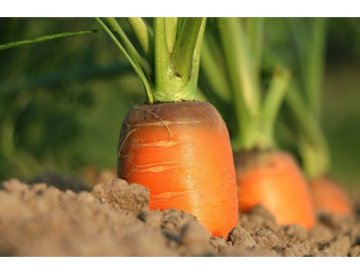
When growing carrots, remember to really thoroughly loosen the soil. In compacted soil, the carrot root will develop poorly and you'll end up with various "amusing" shapes. Carrots also don't like soil freshly fertilised with farmyard manure. Sow them in rows according to the instructions on the seed packet. If you use seed tapes, you won't have to struggle later with thinning out the emerged seedlings. At our shop, you can also choose packets of combined seed tapes, so in one packet you can get seeds of carrots, radishes and lettuce.
Among the most popular hardy vegetables are spinach, radishes, carrots, peas and lettuce. You can sow them in beds in favourable weather from early March onwards. When daily temperatures stabilise around 15°C, it's time to get started. If it's still cold during March, it's better to wait a while. Haven't bought your seeds yet? You can quickly fix that at our shop! Browse our seed selection for vegetables.
Peas: Early Sowing Reduces Pests
Shelling peas and sugar snap peas are proven stalwarts of almost every garden. They're also an ideal vegetable for beginner gardeners. To speed up germination, soak the seeds in water a day before sowing, changing the water several times. Most pea varieties require support during cultivation.
Radishes: Stable Moisture is Key
Radishes are often classified as undemanding crops, but growing them in outdoor beds doesn't have to be entirely easy. Throughout the entire growing season, provide them with even watering, but avoid waterlogging. They prefer loosened soil, and don't forget to add a bit of compost before sowing.
A Perfectly Prepared Bed is the Foundation of Successful Sowing
Remember, weeds always grow faster than freshly sown vegetables. Loosened soil cleared of weed roots with broken-up clumps of earth and enriched with compost - that's what an ideal bed looks like, where plants will thrive. You need to think about this in advance. If you're a conscientious gardener, you've had your beds prepared since autumn. If you've neglected the preparation, you can still catch up. If you're missing any tools, you can find what you need at your garden supply store.
However, while the soil is frozen or too waterlogged, it's not good to work with it. Wait for the right moment when the soil achieves the right consistency, which is typically when the surface of tilled beds begins to gradually dry out in the spring sunshine. Then the soil won't stick to tools or boots, and working with it will be pure pleasure. In spring, you won't have as much work with subsequent watering either - the soil usually still contains sufficient moisture, so plants will only need occasional watering.
Praise for Non-Woven Fabric
Although some vegetable types are very hardy, fluctuating spring weather, which occasionally slides back to unexpected returns of stronger frosts, can still damage young plants. In this situation, you can reach for white non-woven fabric to cover the beds. The fabric serves to some extent as a cold frame substitute. At the same time, on sunny days, it helps you maintain adequate soil moisture.