
Backyard Garden at a Terraced House
Garden at a Terraced House - Want a Beautiful Garden and Own a Terraced House? We'll Advise You on What to Choose and How to Keep Your Small Garden Well-Maintained
Owning a terraced house often comes with a modest outdoor space that can be transformed into a beautiful and functional garden. Even a small garden can become your personal oasis where you can relax, grow vegetables, or create a play area for children. The key is proper planning, choosing suitable plants, and regular maintenance that won't take up too much of your time.
Planning Your Small Garden
Before you start arranging your garden, it's important to consider what you want to use it for. Do you dream of a peaceful corner for relaxation, a vegetable garden, or a combination of both? With limited space, it's essential to prioritize and plan every square meter carefully.
Measuring and Mapping the Space
Start by measuring your garden and creating a simple sketch. Mark existing elements such as fences, paths, or trees. This will help you visualize how to best utilize the available space. Consider which parts of the garden receive the most sunlight and which remain in shade throughout the day - this information is crucial for plant selection.
Dividing the Garden into Zones
Even a small garden can be divided into functional zones. You might create a seating area, a planting section, and perhaps a small storage space for tools and equipment. Using vertical elements like trellises or wall planters can help maximize space without making the garden feel cramped.
Choosing Suitable Plants
Plant selection is key to maintaining an attractive garden throughout the year without requiring excessive maintenance. For small gardens at terraced houses, it's advisable to choose plants that don't grow too large, are undemanding, and ideally offer interest across multiple seasons.
Ornamental Plants
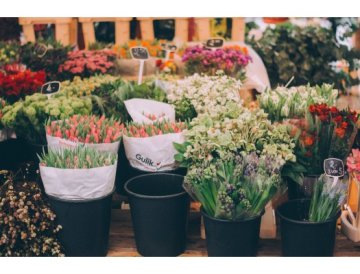
For small gardens, compact shrubs, perennials, and ground covers are ideal. Popular choices include:
- Lavender - fragrant, drought-tolerant, and attracts pollinators
- Hostas - perfect for shaded areas, decorative foliage
- Dwarf conifers - provide structure and greenery year-round
- Ornamental grasses - add movement and texture to the garden
- Climbing plants - utilize vertical space without taking up floor area
Edible Plants
Even in a small garden, you can grow your own vegetables and herbs. Focus on plants that offer high yields in limited space:
- Cherry tomatoes - can be grown in containers or against walls
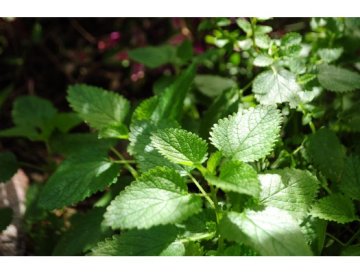
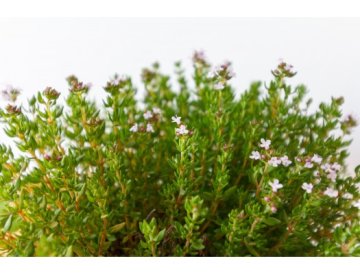
- Herbs - basil, parsley, thyme, mint - ideal for pots
- Lettuce and spinach - quick-growing, can be harvested multiple times
- Climbing beans or peas - utilize vertical space
- Strawberries - suitable for hanging baskets and vertical growing
Garden Maintenance Without Excessive Effort
A well-maintained garden doesn't necessarily mean hours of daily work. With the right approach and tools, you can keep your garden looking beautiful with minimal time investment.
Mulching
Applying mulch around plants is one of the most effective ways to reduce maintenance. Mulch suppresses weed growth, retains soil moisture, and gradually improves soil structure. You can use bark chips, wood chips, or compost.
Automatic Irrigation
For small gardens, installing a simple drip irrigation system or soaker hoses is worthwhile. This ensures plants receive regular watering even when you're away, and you'll save time on manual watering.
Choosing Low-Maintenance Plants
Opt for plants that don't require frequent pruning, are disease-resistant, and can tolerate varying moisture levels. Native plants are often the best choice as they're adapted to local conditions.
Regular Minor Tasks
Instead of letting tasks accumulate, spend 15-20 minutes in the garden several times a week. Remove weeds before they seed, deadhead spent flowers, and check plants for pests. Prevention is easier than remediation.
Maximizing Space
In a small garden, every centimeter counts. Here are some tips for making the most of limited space:
Vertical Growing
Use walls, fences, and vertical structures. Install trellises, wall planters, or hanging baskets. Climbing plants like clematis, climbing roses, or ivy can beautifully cover walls without taking up ground space.
Raised Beds
Raised beds not only look attractive but also offer better drainage and allow you to control soil quality. They're ideal for growing vegetables and herbs and are easier to maintain as you don't need to bend down as much.
Container Gardening
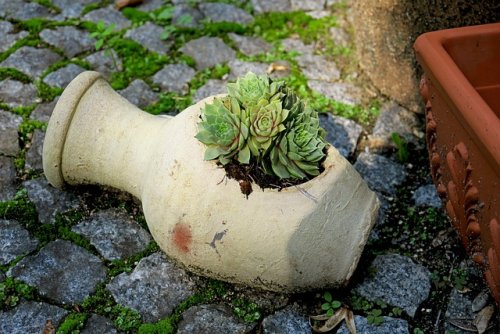
Pots and containers are perfect solutions for small gardens. They're mobile, allowing you to rearrange the garden as needed, and you can grow plants that might not thrive in your native soil. Choose containers of various sizes to create visual interest.
Multi-Functional Elements
Opt for furniture and elements that serve multiple purposes. A storage bench can serve as seating while hiding tools and equipment. A raised bed can double as a garden border.
Creating Privacy
Gardens at terraced houses are often closely surrounded by neighbors. Creating privacy is important for comfortable relaxation:
- Living screens - bamboo, tall grasses, or evergreen shrubs
- Climbing plants on trellises - quick and attractive solution
- Decorative screens - wooden or metal panels
- Layered planting - combining plants of various heights
Seasonal Maintenance
Each season brings different tasks that help keep your garden in top condition throughout the year.
Spring
- Soil preparation and fertilization
- Planting new plants and sowing seeds
- Pruning shrubs and perennials
- Checking and repairing irrigation systems
Summer
- Regular watering and feeding
- Deadheading spent flowers
- Pest and disease monitoring
- Harvesting vegetables and herbs
Autumn
- Planting spring bulbs
- Collecting leaves and composting
- Preparing the garden for winter
- Final lawn mowing
Winter
- Protecting sensitive plants
- Planning changes for the next season
- Tool maintenance
- Feeding birds
Practical Tips for Small Garden Owners
Here are some proven tips to help you make the most of your small garden:
- Start small - don't try to do everything at once, gradually expand your garden as you gain experience
- Observe and learn - spend time in your garden, notice which areas get sun, where water collects
- Invest in quality tools - a few good tools are better than many cheap ones
- Use light colors - white and light-colored elements make the garden appear larger
- Create focal points - an attractive container, sculpture, or water feature draws the eye
- Don't forget lighting - proper lighting extends garden enjoyment into evening hours
Conclusion
A garden at a terraced house can be a beautiful and functional space that brings joy throughout the year. The key is proper planning, choosing suitable plants, and regular but undemanding maintenance. Don't be afraid to experiment and adjust the garden to your needs and preferences. Even a small space offers endless possibilities for creating your own green oasis.
Remember that every garden is unique and what works for your neighbor may not be ideal for you. Be patient - a garden is a living organism that evolves and changes over time. With care and attention, you'll create a space you'll love spending time in and that will become a true pride of your home.