

How to Master Spring Sowing?
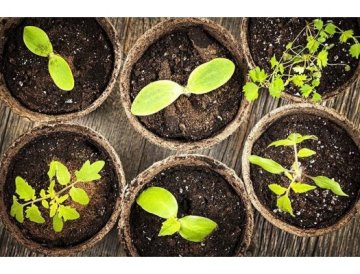
The answer is timing. When selecting seeds, it's important to monitor the germination and pre-cultivation period. Most herbs germinate within 5 days from sowing and can be fully harvested after 14 days. There's no need for additional transplanting, as they can be grown in a single pot. In contrast, tomatoes or peppers require a longer germination period and frequent transplanting, so they take much longer to grow on a windowsill.
An important factor for successful sowing is sufficient light. North-facing windows are unsuitable. It might seem that a south-facing window would be the ideal position, but watch out! Harsh spring sunlight can easily burn plants. Small, delicate plants aren't capable of such intensive regeneration, and in combination with greenhouse conditions, this exposure could be fatal for them. Southeast-facing windows are ideal. If you don't have such windows in your apartment, you must protect your seedlings from harsh light.
January is the most suitable time for pre-cultivating many plant species (pelargoniums, peppers, celery, banana plants...), but outside in our temperature conditions, nothing will certainly germinate. You must provide your seedlings with sufficient warmth. The optimal temperature, which is universal for almost all species, is 20-25°C.
Besides warmth, seedlings also require humidity. Heating might be an ideal source of warmth, but the dry air it produces significantly reduces humidity in the room. Therefore, definitely prepare a mini greenhouse, transparent film, or a box with a transparent lid for your seedlings.
How to Sow Correctly?
An excellent tip for sowing is a mini greenhouse combined with peat pellets. Seeds are planted one at a time in the pellets. When the plants grow and it's time for transplanting, you don't need to laboriously transplant the plants and worry about damaging them. The plant will grow through the pellet, and you simply transplant the whole thing into a larger pot. For lovers of the "old-fashioned way," sowing substrate, seeds, seed trays, and skillful hands will suffice.
Always sow seeds according to the instructions on the package. Automatically covering seeds with a layer of substrate may result in plants not germinating. If you're planning to plant seeds with hard shells, it's essential to lightly sand them with sandpaper and let them swell in warm water before sowing. Choose an airy, permeable substrate containing peat and a mixture of sand or perlite – a substrate designed for sowing, supplemented with perlite, for example, is ideal. After thorough watering, the seedlings must not dry out completely. To prevent drying out, it's advisable to cover the sowing containers with film, a transparent lid, or place them in mini greenhouses.
Check your seedlings daily. The most common causes of failure are waterlogged substrate, dried-out seedlings, low or high temperature (for cool-loving species), insufficient ventilation (prevents the development of mold and damping-off of seedlings), or seedlings exposed to direct sunlight. Don't forget about watering or misting with a sprayer. ALWAYS water plants with settled water at room temperature!
If you follow these few rules, you can never encounter failure.
Happy growing!